

RPA vs
Implementation Orchestration:
Why Automation Alone Isn't Enough
Why Automation Alone Isn't Enough


RPA automates repetitive tasks. It logs into applications, moves data between systems, generates reports, and eliminates manual work across business processes.
What it cannot do is execute an entire software implementation.
That's the execution gap. And it's the gap Implementation Orchestration was built to close. It automates the work across requirements, configuration, migration, testing, and hypercare so implementations move faster without requiring teams to manually coordinate every step.

RPA
vs Implementation Orchestration:
Why Automation Alone Isn't Enough
Why Automation Alone Isn't Enough
RPA automates repetitive tasks. It logs into applications, moves data between systems, generates reports, and eliminates manual work across business processes.
What it cannot do is execute an entire software implementation.
That's the execution gap. And it's the gap Implementation Orchestration was built to close. It automates the work across requirements, configuration, migration, testing, and hypercare so implementations move faster without requiring teams to manually coordinate every step.
RPA vs
Implementation Orchestration:
Why Automation Alone Isn't Enough
Why Automation Alone Isn't Enough
RPA automates repetitive tasks. It logs into applications, moves data between systems, generates reports, and eliminates manual work across business processes.
What it cannot do is execute an entire software implementation.
That's the execution gap. And it's the gap Implementation Orchestration was built to close. It automates the work across requirements, configuration, migration, testing, and hypercare so implementations move faster without requiring teams to manually coordinate every step.
What Is Implementation Orchestration?
What Is Implementation Orchestration?
Implementation Orchestration automates the hands-on execution work between signed contract and successful customer go-live.
Implementation Orchestration automates the hands-on execution work between signed contract and successful customer go-live.
Implementation Orchestration automates the hands-on execution work between signed contract and successful customer go-live.

Requirements
Requirements

Configuration
Configuration

Data Migration
Data Migration
Testing & UAT
Testing & UAT

Cutover
Cutover

Hypercare
Hypercare
Instead of tracking implementation activities, Implementation Orchestration automates them.
The result is faster deployments, lower delivery costs, and more predictable customer outcomes.
Instead of tracking implementation activities, Implementation Orchestration automates them.
The result is faster deployments, lower delivery costs, and more predictable customer outcomes.
Instead of tracking implementation activities, Implementation Orchestration automates them.
The result is faster deployments, lower delivery costs, and more predictable customer outcomes.
Data Migration
Configuration
Requirements
Hypercare
Cutover
Testing & UAT
Why Implementation Teams Are Looking Beyond RPA
Why Implementation Teams Are Looking Beyond RPA
Why Implementation Teams Are Looking Beyond RPA
RPA was built to solve a task automation problem. The problem implementation teams face is an execution problem. They are not the same thing.
RPA was built to solve a task automation problem. The problem implementation teams face is an execution problem. They are not the same thing.
RPA was built to solve a task automation problem. The problem implementation teams face is an execution problem. They are not the same thing.
Task automation is not implementation execution.
Task automation is not implementation execution.
Task automation is not implementation execution.
RPA automates repetitive actions like creating users, transferring data, and generating reports. What it cannot do is coordinate configuration, manage dependencies, or move an implementation from kickoff to go-live. That work still lands on your implementation team.
RPA automates repetitive actions like creating users, transferring data, and generating reports. What it cannot do is coordinate configuration, manage dependencies, or move an implementation from kickoff to go-live. That work still lands on your implementation team.
RPA automates repetitive actions like creating users, transferring data, and generating reports. What it cannot do is coordinate configuration, manage dependencies, or move an implementation from kickoff to go-live. That work still lands on your implementation team.
Software implementations have become more complex.
Modern implementations involve changing customer requirements, product configuration, data migration, testing cycles, approvals, and post-go-live support. Enterprise deployments are far more dynamic than the rule-based tasks RPA was originally designed to automate.
At scale, headcount stops being the answer.
Automating individual tasks helps, until it doesn't. As implementation volume grows, teams spend more time coordinating work than performing it. The only way to scale delivery is by automating the implementation itself—not just the tasks inside it.
Software implementations have become more complex.
Modern implementations involve changing customer requirements, product configuration, data migration, testing cycles, approvals, and post-go-live support. Enterprise deployments are far more dynamic than the rule-based tasks RPA was originally designed to automate.
At scale, more bots don't solve execution.
Automating individual tasks helps, until it doesn't. As implementation volume grows, teams spend more time coordinating work than performing it. The only way to scale delivery is by automating the implementation itself—not just the tasks inside it.
Software implementations have become more complex.
Modern implementations involve changing customer requirements, product configuration, data migration, testing cycles, approvals, and post-go-live support. Enterprise deployments are far more dynamic than the rule-based tasks RPA was originally designed to automate.
At scale, more bots don't solve execution.
Automating individual tasks helps, until it doesn't. As implementation volume grows, teams spend more time coordinating work than performing it. The only way to scale delivery is by automating the implementation itself—not just the tasks inside it.

Why Implementation Orchestration
Is Becoming Critical
Why Implementation
Orchestration Is Becoming Critical
As enterprise software implementations grow more complex, execution capacity becomes a competitive advantage.
Faster Go-Lives
Faster Go-Lives
Accelerate implementation timelines by automating repetitive execution work.
Lower Delivery Costs
Lower Delivery Costs
Reduce manual implementation effort across configuration, migration, and testing.
Greater Team Capacity
Enable teams to support more deployments without proportional headcount growth.
More Consistent Outcomes
Capture implementation knowledge and apply it across future deployments.
What Beacon Implementation Orchestration Does
What Beacon Implementation
Orchestration Does
Beacon automates the work that traditionally consumes the majority of implementation effort.
Beacon automates the work that traditionally consumes the majority of implementation effort.
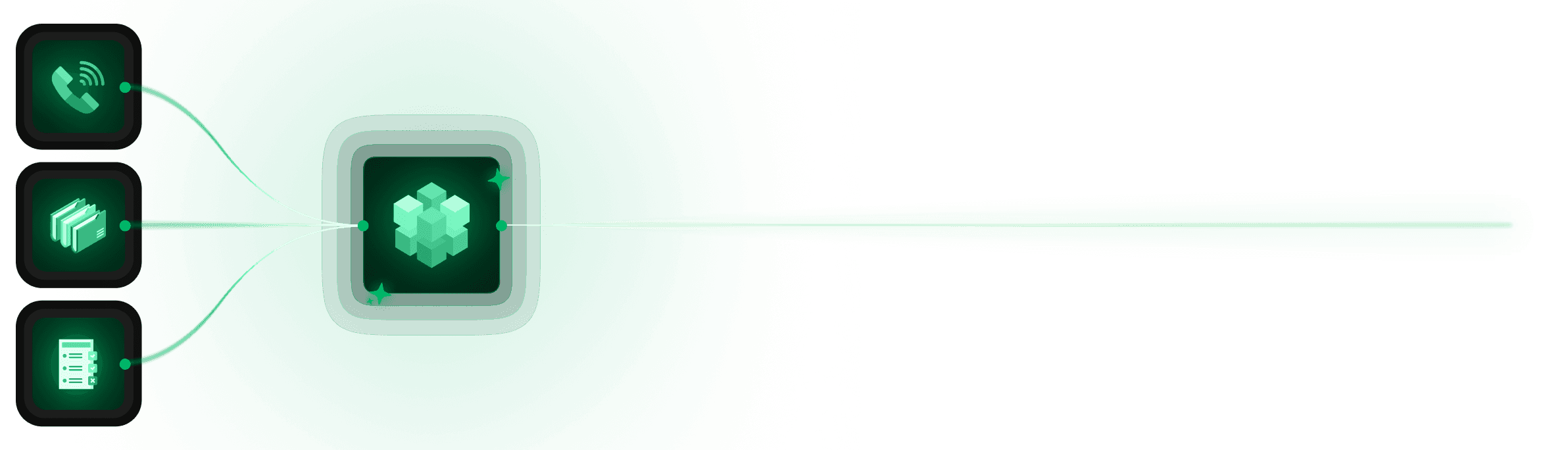
Requirements to Execution
Requirements to Execution
Turn customer calls, documents, and requirements into structured implementation outputs.
Turn customer calls, documents, and requirements into structured implementation outputs.

Configuration Automation
Configuration Automation
Execute environment setup, workflows, permissions, and business rules directly within the product.
Execute environment setup, workflows, permissions, and business rules directly within the product.

Migration & Testing
Migration & Testing
Validate customer data, run migrations, generate testing scenarios, and execute validation workflows.
Validate customer data, run migrations, generate testing scenarios, and execute validation workflows.

Go-Live & Hypercare
Go-Live & Hypercare
Support deployment readiness and automate repetitive post-go-live implementation support.
Support deployment readiness and automate repetitive post-go-live implementation support.

Why Implementation
Orchestration
Is Becoming Critical
As enterprise software implementations grow more complex, execution capacity becomes a competitive advantage.
Faster Go-Lives
Accelerate implementation timelines by automating repetitive execution work.
Lower Delivery Costs
Reduce manual implementation effort across configuration, migration, and testing.
Greater Team Capacity
Enable teams to support more deployments without proportional headcount growth.
More Consistent Outcomes
Capture implementation knowledge and apply it across future deployments.
What Beacon
Implementation
Orchestration Does
Beacon automates the work that traditionally consumes the majority of implementation effort.

Requirements to Execution
Turn customer calls, documents, and requirements into structured implementation outputs.

Configuration Automation
Execute environment setup, workflows, permissions, and business rules directly within the product.
Migration & Testing
Validate customer data, run migrations, generate testing scenarios, and execute validation workflows.

Go-Live & Hypercare
Support deployment readiness and automate repetitive post-go-live implementation support.
RPA vs Implementation Orchestration
RPA vs Implementation Orchestration
Area
Area
Primary Purpose
Primary Purpose
Requirements
Requirements
Configuration
Configuration
Data Migration
Data Migration
Testing & UAT
Testing & UAT
Workflow Coordination
Workflow Coordination
Hypercare
Hypercare
Implementation
Knowledge
Implementation
Knowledge
Outcome
Outcome
RPA
RPA
Automates repetitive, rule-based business tasks.
Automates repetitive, rule-based business tasks.
Requires predefined inputs and rules.
Requires predefined inputs and rules.
Automates scripted actions across systems.
Automates scripted actions across systems.
Automates repetitive migration tasks.
Automates repetitive migration tasks.
Automates predefined testing activities
Automates predefined testing activities
Automates individual tasks.
Automates individual tasks.
Automates repetitive support activities.
Automates repetitive support activities.
Automation scripts remain task-specific.
Automation scripts remain task-specific.
Faster task execution.
Faster task execution.
Implementation Orchestration
Implementation Orchestration
Automates the execution of software implementations.
Automates the execution of software implementations.
Listens to recordings and converts them into requirements
Listens to recordings and converts them into requirements
Executes configuration directly within the product.
Executes configuration directly within the product.
Validates and executes complete migration workflows.
Validates and executes complete migration workflows.
Generates and executes customer-specific testing workflows.
Generates and executes customer-specific testing workflows.
Coordinates and automates the entire implementation lifecycle.
Coordinates and automates the entire implementation lifecycle.
Resolves repetitive implementation support work and L1-L3 tickets automatically.
Resolves repetitive implementation support work and L1-L3 tickets automatically.
Captures implementation knowledge and continuously improves future deployments.
Captures implementation knowledge and continuously improves future deployments.
Faster implementations, lower delivery costs, and greater implementation capacity
Faster implementations, lower delivery costs, and greater implementation capacity
RPA
Automates repetitive, rule-based business tasks.
Requires predefined inputs and rules.
Automates scripted actions across systems.
Automates repetitive migration tasks.
Automates predefined testing activities
Automates repetitive support activities.
Automates individual tasks.
Automation scripts remain task-specific.
Faster task execution.
Implementation
Orchestration
Automates the execution of software implementations.
Listens to recordings and converts them into requirements
Executes configuration directly within the product.
Validates and executes complete migration workflows.
Generates and executes customer-specific testing workflows.
Resolves repetitive implementation support work and L1-L3 tickets automatically.
Coordinates and automates the entire implementation lifecycle.
Captures implementation knowledge and continuously improves future deployments.
Faster implementations, lower delivery costs, and greater implementation capacity.
Primary Purpose
Requirements
Configuration
Data Migration
Testing & UAT
Workflow Coordination
Hypercare
Implementation Knowledge
Outcome
Do You Need RPA or Implementation Orchestration?
Do You Need RPA or Implementation Orchestration?

automating fixed tasks like creating users, moving data between systems, or generating reports.
automating fixed tasks like creating users, moving data between systems, or generating reports.
If your problem is repetitive, rule-based work, RPA is a proven solution. It excels at
If your problem is repetitive, rule-based work, RPA is a proven solution. It excels at

Requirements still need interpretation. Configuration still depends on customer context. Migration, testing, and go-live still require coordination across multiple steps. That's an execution problem. Implementation Orchestration was built to solve it.
Requirements still need interpretation. Configuration still depends on customer context. Migration, testing, and go-live still require coordination across multiple steps. That's an execution problem. Implementation Orchestration was built to solve it.
If your problem is enterprise software implementation, RPA won't solve it.
If your problem is enterprise software implementation, RPA won't solve it.

The good news is you don't have to replace your existing automation investments. Beacon orchestrates the implementation from requirements through hypercare and can trigger RPA where repetitive, deterministic tasks make sense.
Either way, Beacon plugs into your existing product. No backend access. No API keys. No ripping out what already works.
The good news is you don't have to replace your existing automation investments. Beacon orchestrates the implementation from requirements through hypercare and can trigger RPA where repetitive, deterministic tasks make sense.
Either way, Beacon plugs into your existing product. No backend access. No API keys. No ripping out what already works.
The orchestration platform acts as the brain; RPA handles the hands.
The orchestration platform acts as the brain; RPA handles the hands.

See What Implementation Orchestration
Looks Like on Your Product
See What Implementation Orchestration
Looks Like on Your Product
Experience how Beacon automates implementation execution across requirements, configuration, migration, testing, and hypercare with a 7-day proof of concept.
Experience how Beacon automates implementation execution across requirements, configuration, migration, testing, and hypercare with a 7-day proof of concept.

See What Implementation Orchestration Looks Like on Your Product
Experience how Beacon automates implementation execution across requirements, configuration, migration, testing, and hypercare with a 7-day proof of concept.







Copyright © 2026 Beacon.li. All rights reserved.
Copyright © 2026 Beacon.li. All rights reserved.
